Radiology in 2026: Why Stability Is No Longer Enough
Introduction
For years, measuring success with radiology IT solutions – specifically PACS – focused on speed, stability, and access. If your systems stayed online, images loaded quickly, and reports flowed to providers within a reasonable timeframe, most departments considered that success.
But times have changed. In 2026, what defined a successful radiology IT ecosystem no longer holds true.
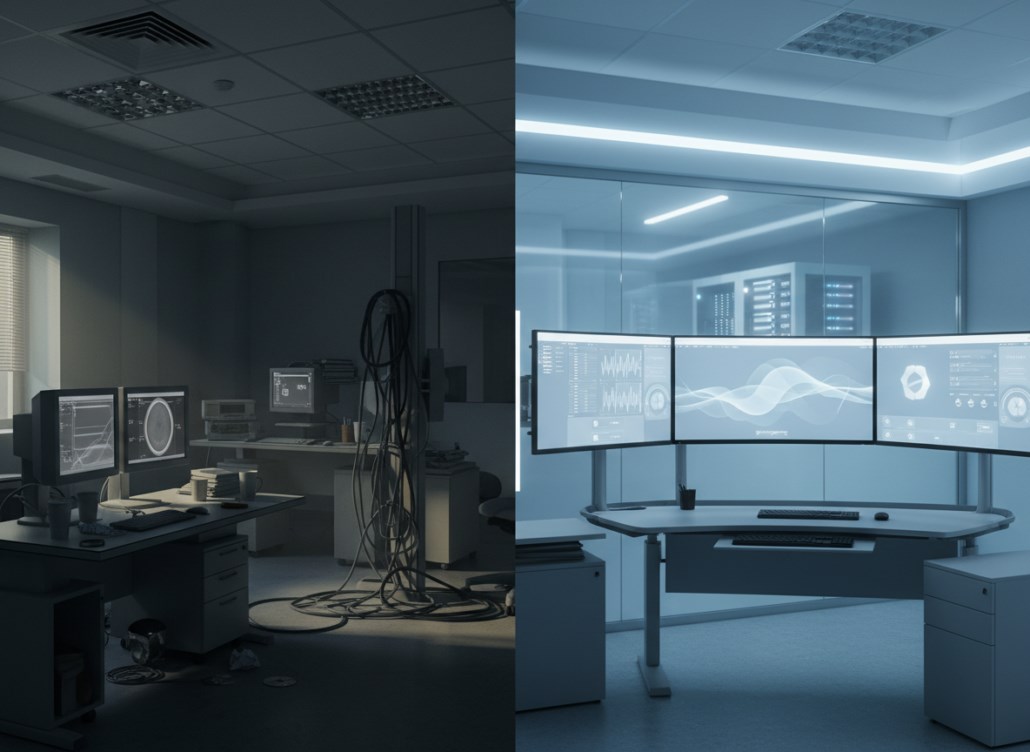
Radiology leaders are facing a new reality, one where simply “maintaining the status quo” can limit growth, strain your staff, and increase risks. The paradigm of “keeping the lights on” in the past may feel safe, but it is increasingly incompatible with the demands placed on modern imaging operations.
Let’s explore some of the “new normals” of radiology IT and how these changes may coax you to rethink your IT strategies so you can position your organization for success and future growth, while helping to improve the outcomes your patients have come to expect.
Stability Isn’t the Same as Sustainability
Many radiology environments today are technically functional, but operationally fragile. Legacy PACS solutions with limited scale and interoperability continue to dominate most organizations imaging IT stack. Plus, siloed archives and aging infrastructure requires constant attention, further increasing the cost of ownership and limiting future expandability.
This can result in workarounds that become normalized, upgrades become delayed, and innovation begins to stall. The reality is the system “works,” but only because people are working around it, adding time to processes and diminishing efficiency.
In 2026, that model breaks down under pressure from:
- Rising imaging volumes – new modalities with larger imaging volumes increases data storage and transfer times. If your PACS isn’t using modern architecture, reads will become delayed due to system slowdowns.
- Ongoing radiologist and technologist shortages – last year saw a decrease in new tech applications; radiologist shortages will continue to persist. These staffing shortages will continue to strain imaging and potentially compromise patient care. New innovations, modern technology, and solutions that remove bottlenecks and barriers are necessary to improve operations.
- Growing expectations for speed, access, and collaboration – if your PACS isn’t cloud-based, provides easy access to images and patient information, and provides tools for easy physician to physician collaboration, care collaboration becomes compromised.
- Increasing cybersecurity and uptime risks – cyberattacks will continue to increase and hackers are eager to gain access to patient medical data due to the value it provides on the black market. Older systems have built in vulnerabilities that are costly and difficult to maintain. Modern cloud-based PACS solutions can help you avoid being the next victim of a cyberattack.
A system that consumes more effort to maintain it becomes a liability, not the asset it once was.
Operational Drag is the Hidden Cost No One Budgets For
Radiology Directors feel this drag clinically; IT Directors feel it technically. Adopting workarounds, providing continuous care and updates to your IT infrastructure, and constant strain on architectures that were built to handle radiology decades ago create strain across your organization.
Consider that every extra click, manual routing of images, delayed study loading, or overnight outages ultimately compounds across your organization. Over time, these inefficiencies:
- Slow reading turnaround times and frustrate your providers.
- Increase staff burnout, further compounding staffing shortages that already exist.
- Limits your ability to adopt Artificial Intelligence (AI), teleradiology, or enterprise imaging initiatives.
- Diverts IT resources away from strategic initiatives as they must spend more time maintaining outdated infrastructures.
The cost of these outcomes is not always visible on a balance sheet, but they show up in performance, morale, and missed opportunities. One may be surprised at the additional costs they incur every year upon further analysis.
2026 Demands a Platform Mindset
Leading radiology organizations are shifting their thinking from managing individual departmental systems that operate in a vacuum, to building resilient platforms that support the enterprise.
As you evaluate your technology in 2026, consider:
- Moving from on-premises infrastructure to cloud-native platforms can provide operational, access, and security benefits that may be superior, plus opens future scalability.
- Reducing system sprawl in favor of integrated imaging ecosystems that consolidate PACS viewers, archives, workflow orchestration, and anywhere access into a unified platform. This approach minimizes handoffs, simplifies system management, and improves reliability across the imaging ecosystem.
- Prioritizing system uptime, overall scalability for the future, and integration flexibility, sets you up with a future ready platform that drives better efficiencies.
- Designing environments that support people and the way they work improves morale and lessens burnout.
Focusing on what provides future operational freedom plus the ability to adapt as new workflows and technology emerge without causing disruption will win the game every day.
Why “Good Enough” becomes a Risk Strategy
System modernization can be expensive, but so is delaying modernization when all factors are considered. With the environmental factors health systems face, not modernizing your imaging infrastructure introduces measurable risk.
Radiology environments that rely on brittle infrastructures become more vulnerable to:
- System downtime that impacts patient care – especially if access to images during critical events becomes difficult or impossible.
- Cyber incidents that disrupt access to imaging data exposes organizations to costly recovery and diminished credibility within their community.
- The inability to scale for new service lines or growth initiatives can impact organizations as they struggle to improve their bottom lines and remain competitive opening potential provider and patient drift.
- Talent attrition may be driven by inefficient tools, adding undue burdens on remaining staff.
Modernizing your radiology IT ecosystem is no longer a future initiative, it’s a form of risk management.
Turning Stability into Strategic Advantage
Today, forward-thinking radiology and IT leaders are asking different questions as they plan their strategic initiatives in 2026 and beyond. Questions to consider include:
- Does your imaging environment reduce operational burden or add to it?
- Can you scale without re-architecting every few years and what limitations do you currently have?
- Are you prepared for enterprise imaging beyond radiology and how can you plan for that enterprise transition?
- Do your systems enable innovation or quietly block it?
If your organization is aligning infrastructure requirements around these questions, they will position radiology as strategic drivers within an organization, not just another service line.
At InsiteOne, this shift is reflected in how cloud-native PACS, vendor-neutral archiving, and managed services are designed, not simply to keep systems running, but to remove friction, reduce risk, and improve operational efficiency while providing a platform for the future.
The Bottom Line
Success in radiology will not be defined by whether the IT solutions relied upon for decades are still standing and operational, but by whether those systems are helping organization move forward and prepare for the future of imaging.
No longer is it just about keeping the lights on. It’s about building an imaging foundation that supports resilience, growth, and clarity for the future.
For more information on how InsiteOne can provide a tailored solution to meet your organization’s Imaging IT needs, contact us today at 866.467.4831 or visit us here.